Embracing Off-Grid Eco-Friendly Living: A Path to Sustainable Independence
What is Off-Grid Eco-Friendly Living?
Off-grid eco-friendly living refers to a lifestyle that prioritizes independence from public utilities and power sources, often achieved through the use of renewable energy, water conservation, and sustainable practices. This approach to living not only reduces your environmental impact but also brings with it a sense of freedom and self-sufficiency.
Benefits of Off-Grid Eco-Friendly Living
- Energy Independence: By harnessing renewable energy sources such as solar, wind, or hydro power, you can reduce your reliance on the grid and lower your energy bills.
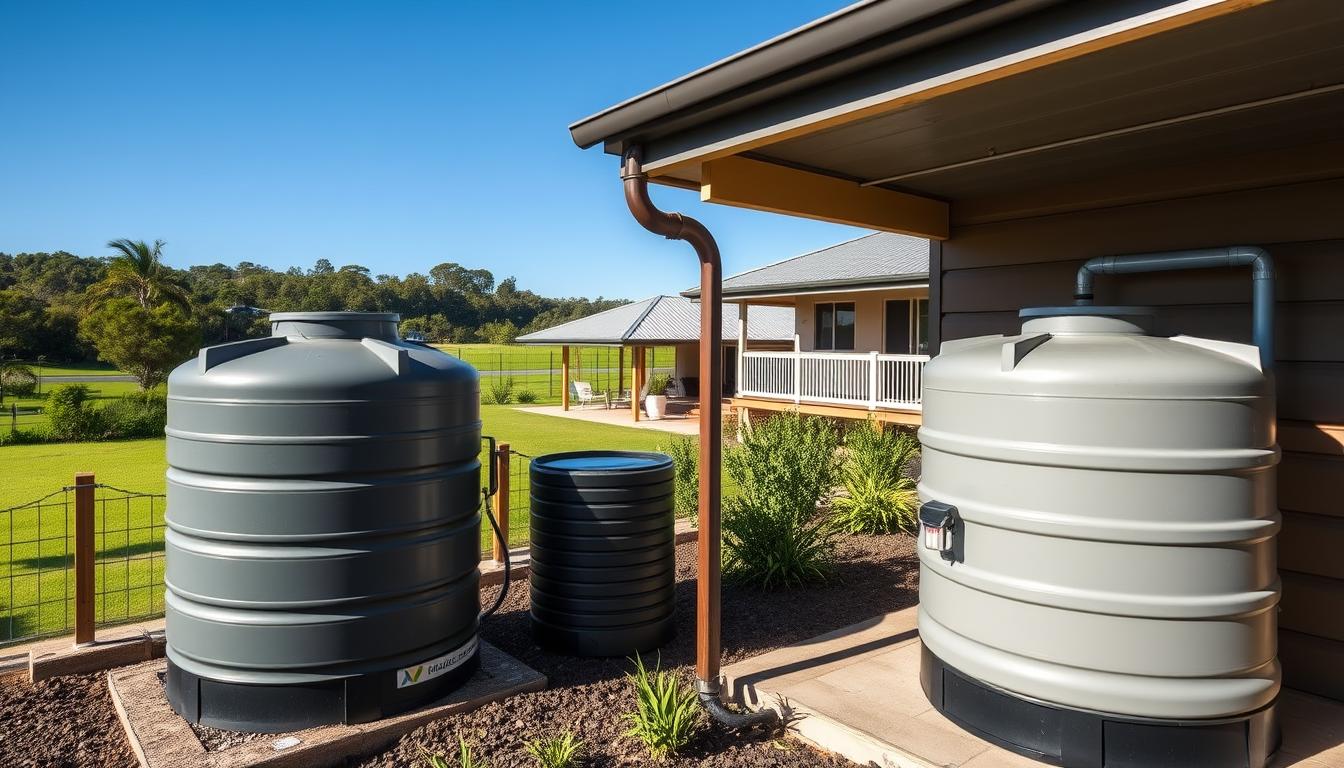
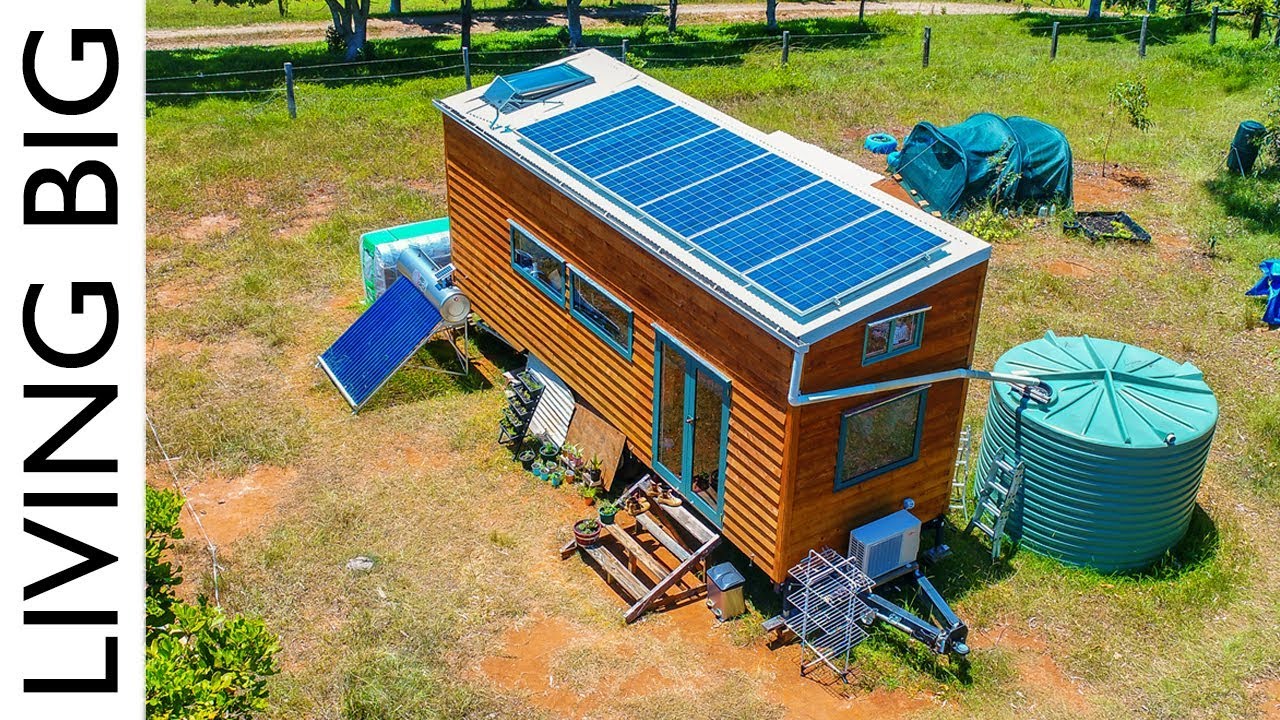
- Water Conservation: Off-grid living often involves collecting and conserving rainwater, which reduces the demand on municipal water supplies and lowers your water bills.
- Sustainability: By adopting eco-friendly practices such as composting toilets, recycling, and sustainable food production, you can significantly reduce your carbon footprint and live in harmony with nature.
- Increased Self-Sufficiency: Off-grid living encourages you to take control of your utilities and produce your own food, ensuring a more independent and fulfilling lifestyle.
Designing an Off-Grid Home
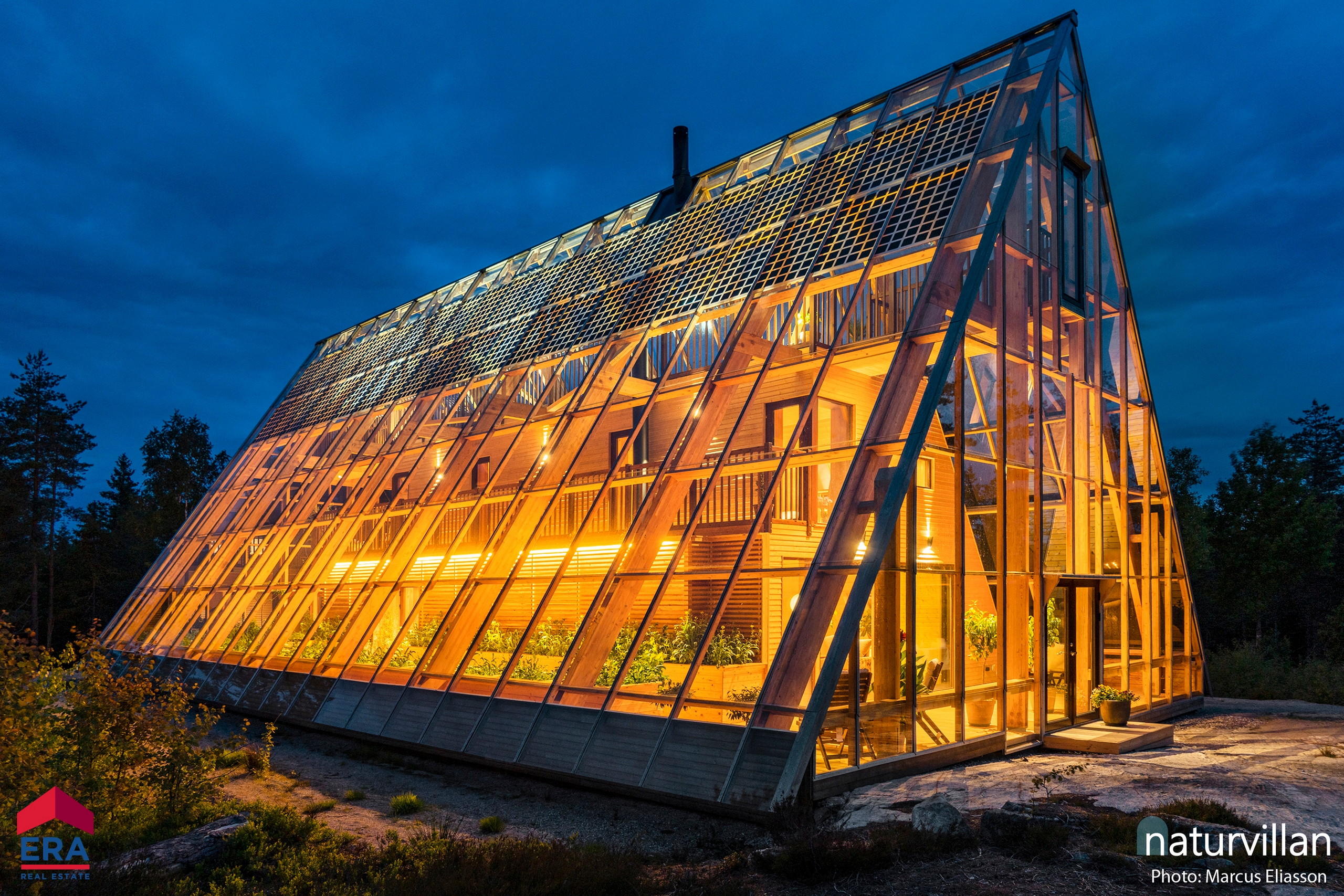
When designing an off-grid home, it's essential to consider the principles of passive solar design, natural ventilation, and energy-efficient materials. A well-designed off-grid home can significantly reduce energy consumption and create a comfortable living space.
Passive Solar Design
- Face windows towards the south to maximize solar gain and reduce heating bills.
- Use thick walls and insulation to retain heat and maintain a stable interior temperature.
- Choose materials with high thermal mass to absorb and release heat.
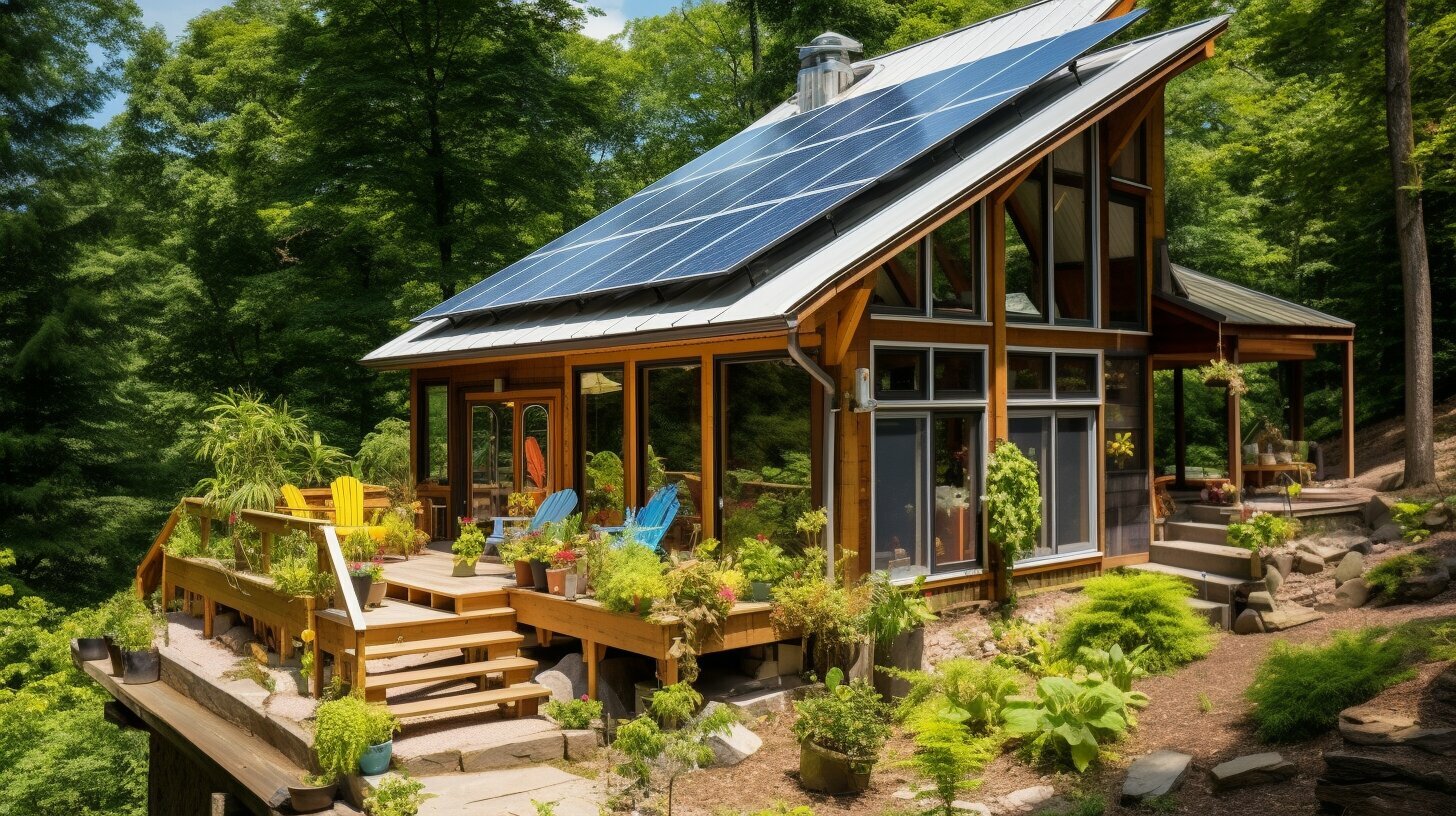
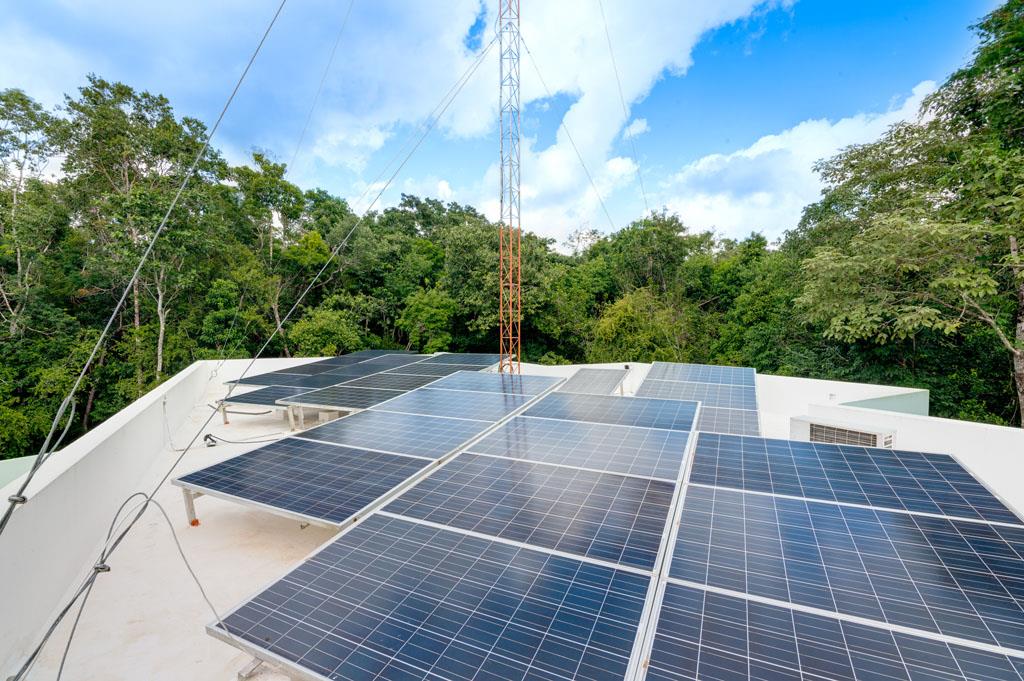
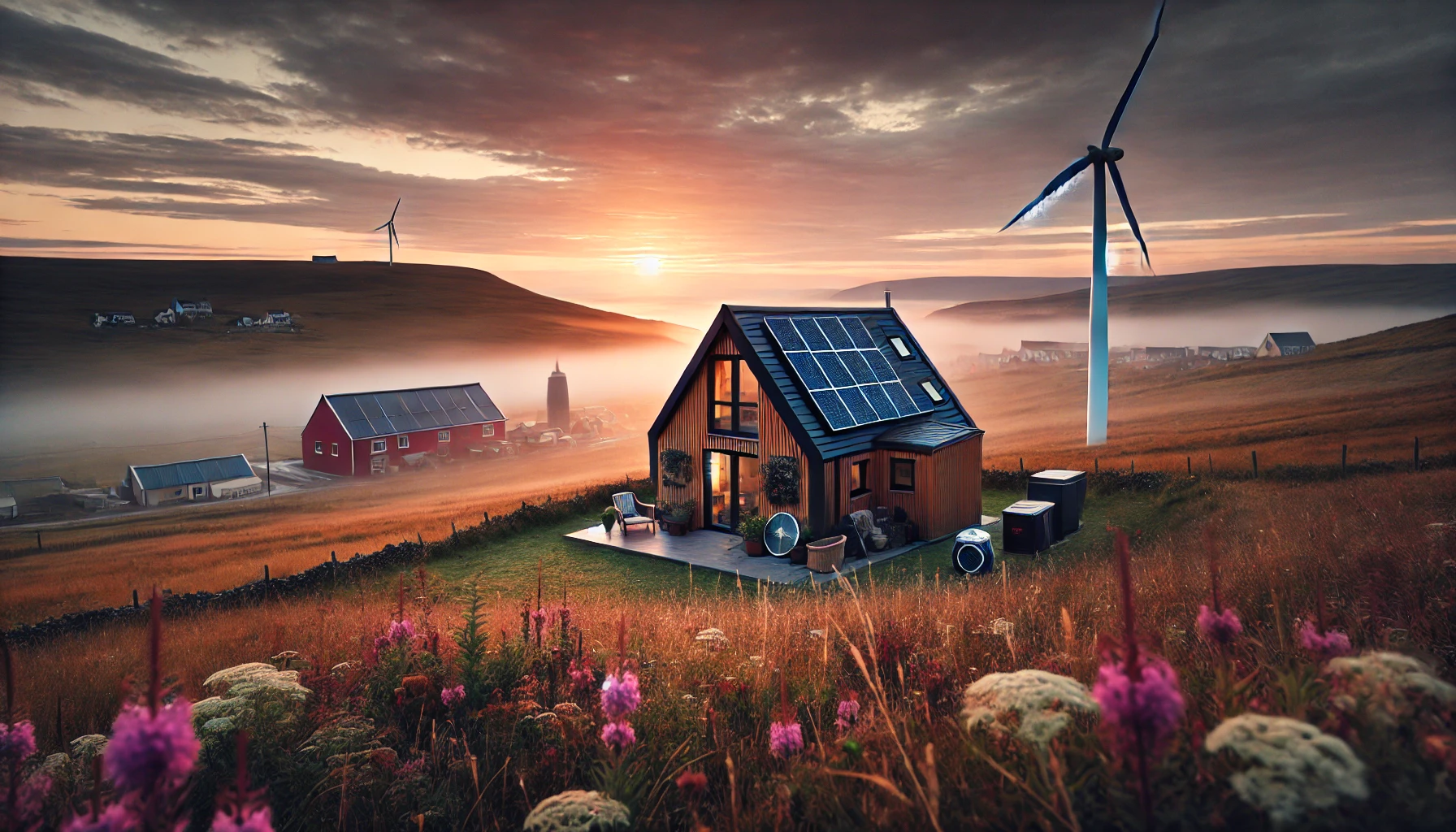
- Solar Power: Harness the sun's energy to generate electricity and heat water.
- Wind Power: Leverage wind energy to generate electricity and power your home.
- Hydro Power: Tap into the energy of running water to generate electricity.
Water Conservation and Harvesting
Composting Toilets
- Reduce water consumption and minimize wastewater.
- Compost human waste and create nutrient-rich fertilizer for your garden.
Off-Grid Communities and Resources
Joining an off-grid community or seeking out resources and expertise can be a great way to learn and share knowledge with like-minded individuals. Online forums, blogs, and social media groups are a great starting point, while local workshops and events can provide hands-on experience and networking opportunities.
Conclusion
Off-grid eco-friendly living offers a unique opportunity to live in harmony with nature, reduce your environmental impact, and achieve true self-sufficiency. By embracing renewable energy, water conservation, and sustainable practices, you can create a comfortable and independent lifestyle that's better for you and the planet.














.jpg "7 Best Water Saving Hand Soaps For Eco-Friendly Homes")